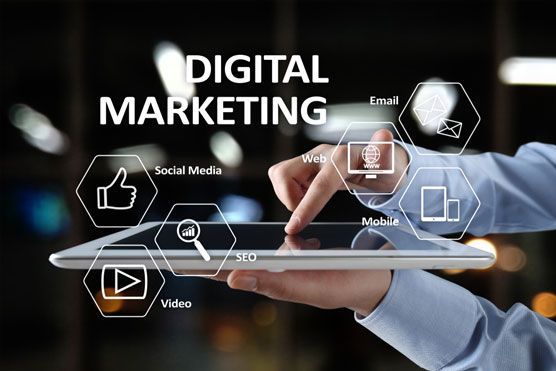
In the current rapidly evolving digital landscape, companies are not confined to conventional marketing techniques such as print ads, outdoor signs, or TV commercials. The online realm has revolutionized how brands engage with their customers. This change has led to the emergence of digital marketing, a robust approach that facilitates businesses in connecting with the appropriate audience at the right moment via online platforms.
Digital marketing signifies the advertising of goods or services through digital venues like search engines, websites, social media, email, and online promotions. It empowers businesses to cultivate customer relationships, enhance brand recognition, and achieve quantifiable outcomes.
In contrast to conventional marketing, digital marketing provides immediate data, targeted initiatives, and the capability to monitor performance without delay. Companies gain insights into consumer behavior, evaluate the effectiveness of campaigns, and swiftly implement improvements. Due to these advantages, digital marketing has become a vital resource for enterprises of every size.
Regardless of whether you operate a minor startup or a substantial corporation, digital marketing equips you to compete within a worldwide marketplace. It opens avenues for new possibilities and enables brands to expand at an unprecedented rate.
Website creation involves the art of producing visually engaging and functional web pages that offer valuable experiences to users. In today’s digital landscape, a website often serves as the representative of a company or brand. It showcases the identity, principles, and professionalism of an organization in the online realm. A well-crafted website achieves more than just presenting information; it intrigues the viewer, conveys a message, and navigates users effortlessly through the material. The process of website creation merges innovation, technology, and user-centered design to generate platforms that are both appealing and effective. When executed properly, it converts ordinary web pages into captivating digital encounters that make a memorable impact on visitors.
In the current digital landscape, a website serves as more than just an online representation for a business. It frequently acts as the initial interaction between a company and its prospective clients. When individuals land on a website, they quickly determine whether to continue browsing or leave. This choice is predominantly shaped by the site’s aesthetics and functionality. A well-crafted website not only captivates visitors but also directs them towards becoming clients. Companies that prioritize sleek and contemporary web design can establish credibility, enhance engagement, and boost sales. In essence, effective website design has the potential to transform casual visitors into dedicated customers.
1. Introduction: The Influence of Contemporary Website Design
In the current digital environment, a website frequently serves as the initial point of contact between a consumer and a company. An effectively crafted website transcends mere information presentation; it establishes a significant initial impact and influences the public’s perception of the enterprise. Contemporary web design prioritizes ease of use, functionality, and user satisfaction. A professional-looking and easily navigable website increases visitors’ confidence in the brand. This enhanced confidence typically results in greater engagement, improved trust, and heightened conversion rates. Modern businesses recognize that a compelling brand identity is rooted in a robust online presence, with website design being a critical factor in creating that presence.
1. Comprehending Website Design Aimed at Conversion
In the realm of online business, a website serves a function beyond merely providing information about a brand. It acts as a potent marketing instrument capable of drawing in visitors, establishing credibility, and producing actual sales. Numerous companies develop websites that are aesthetically pleasing, yet they frequently overlook the primary objective of a website, which is to transform visitors into paying customers.
A design centered around conversion focuses on creating a website with a specific aim in mind. This aim might include selling products, capturing leads, scheduling services, or prompting individuals to reach out to the company. Every component on the site should direct visitors toward taking definitive actions.
A high-converting website successfully merges attractive design, impactful messaging, and an effortless user experience. When these factors work in harmony, visitors are more inclined to explore the site and are subsequently more apt to convert into customers.
Over the last twenty years, the landscape of website design has undergone significant transformation. Initial websites were basic, filled with text, and lacking in visual interest and functionality. As advancements in technology emerged, these sites began incorporating images, animations, interactive aspects, and sophisticated designs. Currently, contemporary websites are crafted not just for aesthetic appeal but also to ensure seamless user engagement and rapid performance.
Organizations recognize that a website frequently serves as the initial encounter clients have with a brand. As a result, companies allocate significant resources towards developing imaginative and original designs that embody their essence and principles. The trajectory of website design will persist in intertwining creativity with robust technology to foster increasingly captivating digital experiences.
Email marketing persists as one of the most efficient methods in the realm of digital marketing for companies. Despite the growth of social media and various advertising channels, email continues to serve as a direct and personal means of communication between brands and their clientele. When an individual subscribes to an email list, it expresses their interest in the company and grants permission to receive updates, promotions, and informative content.
In contrast to social media where visibility is influenced by algorithms, emails go straight to the subscriber’s inbox. This facilitates easier, ongoing communication for businesses with their audience. Due to this direct line of contact, email marketing frequently yields greater engagement and higher conversion rates than numerous other marketing avenues.
Companies that strategically implement email marketing can foster trust, enhance customer relationships, and maintain steady sales over time.
1. Grasping the Concept of Email Marketing Automation
Email marketing automation represents an influential tactic enabling businesses to dispatch emails automatically in response to customer behaviors or predetermined schedules. Rather than manually sending each message, marketers can set up processes to transmit communications to subscribers at opportune moments. This method conserves time while ensuring steady interaction with the target audience.
Automation solutions can trigger sending emails when an individual subscribes to a newsletter, accesses a resource, or completes a transaction. These automated correspondences assist in navigating customers through the purchasing process. Since messages are sent at appropriate times, they frequently appear more pertinent and beneficial to subscribers.
Implementing automation allows companies to sustain consistent updates without dedicating extensive hours to manage email marketing efforts. This enhances marketing efficiency while boosting customer involvement.
1. Significance of Email Lists in Digital Promotion
Email marketing continues to be one of the most effective strategies for companies aiming to establish long-lasting connections with their audience. In contrast to social media sites where algorithms dictate visibility, an email list offers businesses direct communication with their subscribers. When individuals sign up for an email list, they express genuine interest in the brand, allowing consistent interaction with the business. This direct line of communication enables companies to share important information, advertise products, and sustain audience engagement over time.
A well-developed email list can turn into a significant marketing resource because it links businesses with potential clients who already exhibit interest in their offerings. Rather than perpetually seeking new customers, companies can cultivate relationships with current subscribers and guide them throughout the purchasing process. This makes email marketing particularly effective for yielding steady leads and conversions.
Email marketing has emerged as one of the most dependable strategies for enterprises aiming to achieve steady income. In contrast to various marketing mediums that rely on algorithms or paid ads, email marketing provides a method for businesses to engage directly with their audience. When customers opt to join a mailing list, it indicates their interest in the brand and their consent to receive news and promotions. This direct interaction renders email marketing particularly efficient for nurturing lasting relationships with consumers.
Companies utilize email marketing to update subscribers on new offerings, deals, and beneficial resources. Since emails land directly in a recipient’s inbox, they establish a more personal and targeted form of communication. Over time, sending consistent and valuable emails enables businesses to remain prominent in their consumers’ minds, which enhances the likelihood of repeat purchases and enduring loyalty.