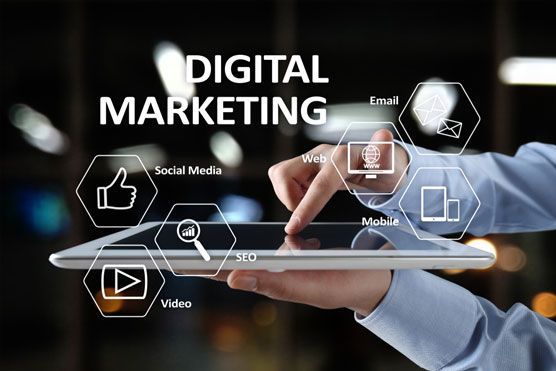
In the current rapidly evolving digital landscape, companies are not confined to conventional marketing techniques such as print ads, outdoor signs, or TV commercials. The online realm has revolutionized how brands engage with their customers. This change has led to the emergence of digital marketing, a robust approach that facilitates businesses in connecting with the appropriate audience at the right moment via online platforms.
Digital marketing signifies the advertising of goods or services through digital venues like search engines, websites, social media, email, and online promotions. It empowers businesses to cultivate customer relationships, enhance brand recognition, and achieve quantifiable outcomes.
In contrast to conventional marketing, digital marketing provides immediate data, targeted initiatives, and the capability to monitor performance without delay. Companies gain insights into consumer behavior, evaluate the effectiveness of campaigns, and swiftly implement improvements. Due to these advantages, digital marketing has become a vital resource for enterprises of every size.
Regardless of whether you operate a minor startup or a substantial corporation, digital marketing equips you to compete within a worldwide marketplace. It opens avenues for new possibilities and enables brands to expand at an unprecedented rate.
2. Why Digital Marketing is Important for Businesses
Digital marketing has become crucial as a significant number of individuals devote a considerable amount of their time online. From researching products to examining reviews and contrasting prices, consumers heavily depend on the internet before finalizing buying decisions.
One of the key benefits of digital marketing is its capacity to target specific audiences. Businesses can concentrate their marketing initiatives on particular demographics, interests, and behaviors. This guarantees that marketing communications reach individuals who are more inclined to transition into customers.
Another significant advantage is the affordability of digital marketing. In comparison to conventional advertising techniques, digital marketing campaigns can be initiated with a lower budget while still producing considerable results. Smaller enterprises can contend with larger companies by employing innovative strategies and creative content.
Digital marketing also enables brands to forge robust connections with their audiences. Through engagement on social media, tailored emails, and valuable content, businesses can cultivate trust and loyalty among their clientele.
Ultimately, digital marketing aids companies in enhancing visibility, generating leads, and fostering steady growth in a fiercely competitive environment.
3. Key Components of Digital Marketing
Digital marketing encompasses a range of strategies and methods that collaborate to establish a powerful online presence. Each element contributes uniquely to attracting and engaging customers.
Search Engine Optimization (SEO) assists websites in achieving higher rankings on search engines, making them more accessible to potential buyers. Social media marketing facilitates brands in connecting with audiences across platforms like Instagram, Facebook, and LinkedIn.
Content marketing emphasizes the creation of valuable and informative material that educates and engages consumers. Email marketing enables businesses to reach out directly to their audience with personalized messages and offers.
Paid promotions, such as Google Ads and social media advertisements, enable brands to swiftly connect with targeted demographics. These ads can direct traffic, generate leads, and boost conversions.
When these elements function cohesively, they create a formidable digital marketing strategy that effectively supports business growth.
4. The Influence of Social Media in Online Marketing
Social media sites have emerged as critical instruments in online marketing. Countless individuals engage with social media each day to explore new brands, stay updated with their preferred companies, and connect with businesses.
By leveraging social media for marketing, companies can distribute content, advertise their offerings, and interact directly with their audience. Platforms such as Instagram, Facebook, LinkedIn, and Twitter enable brands to express their unique character and create a devoted following.
Captivating posts, imaginative visuals, and participatory stories draw attention and motivate users to engage with the brand. Additionally, social media facilitates targeted advertising initiatives that can reach precise audiences based on their interests and characteristics.
A significant benefit of social media marketing is its capacity to provide immediate responses. Companies can gauge customer reactions to their content and modify their approaches as necessary.
By establishing a steady and captivating presence on social media, brands can enhance visibility, foster trust, and redirect more visitors to their websites.
5. Understanding Search Engine Optimization (SEO) and Its Significance
Search Engine Optimization stands as a crucial component of online marketing. SEO aims to enhance a website’s presence in search engine outcomes, making it simpler for prospective customers to discover it when seeking pertinent information.
Typically, when individuals search for products or services online, they tend to click on the leading results shown on the first page of search engines. SEO enables businesses to secure these prime spots by refining website content, enhancing site architecture, and employing appropriate keywords.
A properly optimized site delivers significant content that addresses users’ inquiries and provides solutions to their challenges. It also guarantees quick loading times, functionality on mobile devices, and straightforward navigation.
SEO is a strategy with long-term benefits that cultivates authority and reliability. Unlike paid ads that cease to drive traffic after the campaign concludes, SEO consistently attracts organic visitors over time.
Companies that prioritize SEO gain a notable edge by drawing high-quality traffic and heightening their likelihood of converting visitors into loyal customers.
6. Content Marketing: The Core of Digital Approach
Content marketing is pivotal in digital marketing since it emphasizes delivering value to the audience. Rather than solely focusing on promoting products, content marketing seeks to inform, educate, and engage prospective customers.
Quality content might encompass blog posts, videos, infographics, guides, podcasts, and social media updates. This kind of content addresses customer questions, offers insightful information, and positions the brand as a leader in the industry.
When companies routinely produce meaningful content, they gain the trust of their audience. Customers are more inclined to select a brand that shares beneficial knowledge and showcases expertise.
Content marketing also enhances other digital marketing efforts. For instance, blog articles can boost SEO rankings, social media updates can drive engagement, and email newsletters can channel traffic to the website.
In summary, content marketing fortifies brand authority and nurtures ongoing relationships with customers.
7. The Influence of Paid Advertising
One of the quickest methods for generating web traffic and acquiring leads is through paid advertising. Various platforms, including search engines and social media, enable companies to showcase ads to precisely targeted audiences.
Through paid advertising, businesses have the ability to select particular keywords, geographic areas, demographics, and interests to guarantee their advertisements reach the appropriate individuals. This targeted approach enhances the likelihood of captivating potential clients who display an existing interest in the offered products or services.
Flexibility is another advantage of paid advertising. Campaigns can be modified in real time in reaction to performance metrics. Companies can experiment with various headlines, visuals, and messages to find the most effective combinations.
Paid advertising is especially beneficial for introducing new products, advertising limited-time promotions, or quickly enhancing brand awareness. When utilized alongside effective landing pages and persuasive content, paid advertisements can remarkably improve conversion rates and revenue generation.
8. The Role of Data and Analytics in Digital Marketing
A significant strength of digital marketing lies in its capacity to evaluate and analyze performance effectively. Companies can monitor user interactions with their websites, ads, and content.
Analytical tools offer crucial insights into various metrics, including website traffic, user actions, conversion rates, and overall campaign performance. These insights assist marketers in determining which strategies yield success and where enhancements are required.
By examining data, businesses are able to refine their marketing initiatives and make well-informed choices. For instance, they can discern which content garners the most engagement, which advertisements yield the highest conversion rates, and which channels drive the most traffic.
Utilizing data-driven marketing enables companies to enhance their strategies and achieve improved outcomes over time.
9. Upcoming Trends in Digital Marketing
As technology progresses and consumer habits transform, digital marketing continues to change. Organizations must keep abreast of new trends to stay viable in the digital environment.
The importance of artificial intelligence, automation, and personalized marketing is growing. Consumers desire customized experiences that align with their preferences and interests.
Additionally, video marketing is on the rise, as brief and engaging videos quickly draw attention. Voice search optimization is another emerging trend, fueled by the increased use of voice assistants for online searches.
Moreover, interactive content and immersive experiences are reshaping the ways in which brands connect with their audiences.
Companies that adapt to these evolving trends will be more apt to attract customers and sustain a robust online presence in the future.
10. Summary: Establishing a Robust Digital Presence
The way businesses interact with their audience has been completely changed by digital marketing. It offers potent tools that enable brands to reach customers, foster relationships, and effectively enhance their online visibility.
Strategies such as search engine optimization, content marketing, social media interaction, and paid advertising each contribute significantly to constructing a successful digital marketing initiative.
Success hinges on understanding the audience, providing valuable content, and consistently refining strategies based on data and insights.
Organizations that prioritize investment in digital marketing today will enjoy a competitive edge in the continually expanding online marketplace. By adopting innovation and concentrating on customer demands, brands can cultivate strong digital presences and secure long-term success.